
The pros and cons of URL shorteners
URL shorteners have become a staple in the digital landscape. Marketers, businesses, news outlets, and bloggers rely on them to simplify lengthy URLs. They save space on social media, boost click-through rates, track metrics, and even shield links from spam. At first glance, they seem like the ultimate tool for any online project.
But is it really that straightforward? Let’s dive into the benefits URL shorteners offer, where they might miss the mark, and what to keep in mind when choosing one.
Understanding URL shorteners
A URL shortener is an online service that transforms a long URL into a shorter version, usually featuring the service’s domain and a unique code (e.g., cut0.link/abc123). When users click on the short URL, they’re seamlessly redirected to the original site.
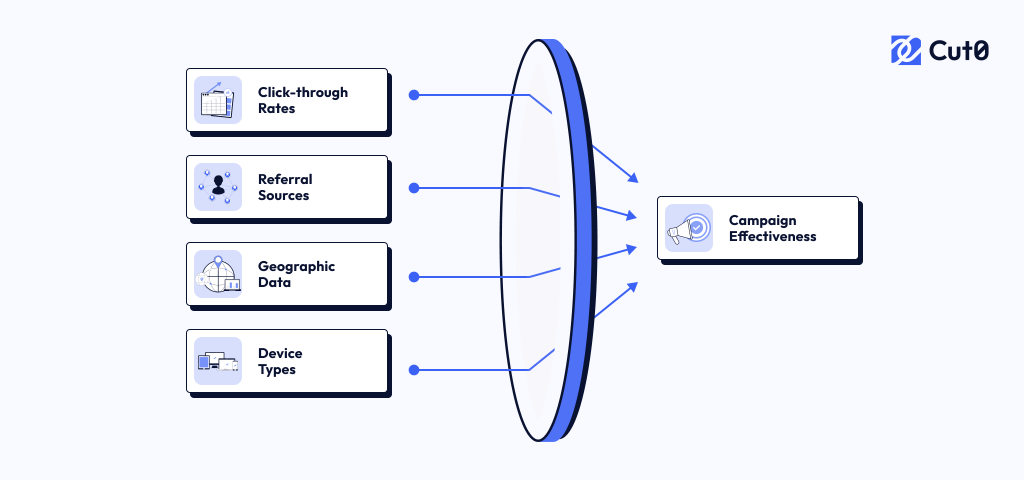
Short links are easy to use, look cleaner, and help track useful data like the number of link clicks, where users come from, their locations, devices used, and much more. This is why link shorteners have surged in popularity, especially with the rise of social media and digital marketing.
In technical terms, link shorteners work through HTTP redirects. When a user inputs a long URL, the system generates a short version and stores it in a database. Then, when someone clicks on the shortened link, the server fetches the original address and redirects the user accordingly.
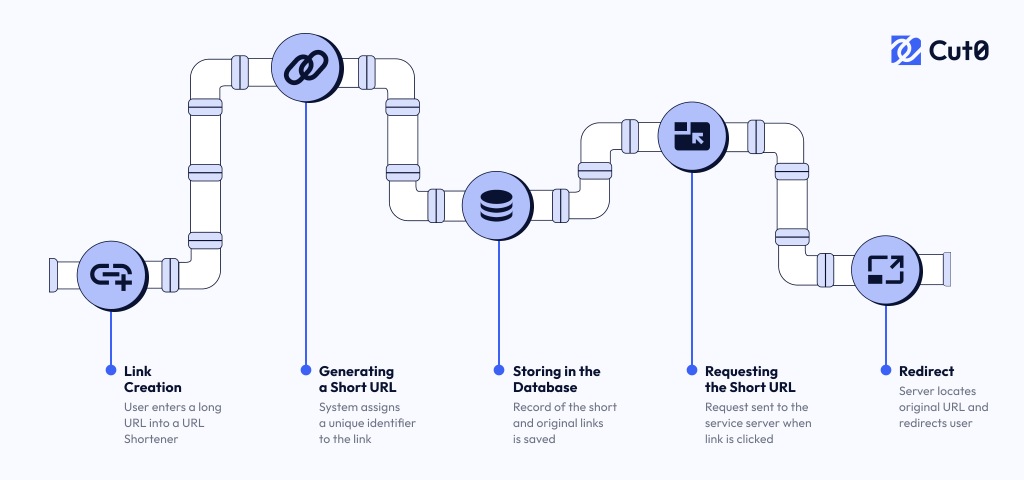
How the URL shortening process works.
- Link creation. The user inputs a long URL into the shortening service.
- Generating a short URL. The system assigns a unique identifier to the link, effectively creating the short link itself.
- Storing data in the database. A record of the connection between the short link and the original URL is saved in the system.
- Requesting the short URL. When someone clicks on the shortened link, a request is sent to the service’s server.
- Redirection. The server retrieves the original URL from the database and instantly redirects the user to the correct site.
Here’s a visual representation of how link shorteners work:
Why you should definitely use URL shorteners
Convenience at its best
Long URLs can look cluttered and waste valuable space, especially on X (formerly Twitter), which has a 280-character limit, and in standard SMS messages. Short URLs shine in messaging apps and email newsletters, appearing cleaner and preventing text distortion, which is often an issue on mobile devices.
Boosting Click-Through Rates (CTRs)
Research shows that shortened links can easily increase the click-through rates (CTRs) by 39%. Users are more inclined to click on links that look neat and trustworthy.
Trackable and analyzable
Regular links don’t give site owners insights into who’s clicking or how they engage. Shortened links, on the other hand, allow you to see how many times a link has been clicked on, identify your audience’s geographic location (e.g., how many clicks came from a specific country, city or district), understand which devices your target audience is using, where traffic comes from, etc.
Memorable and shareable
Short links are far more practical for word-of-mouth sharing, whether at a conference, during a call or on the radio. No one will remember a long URL like https://example.com/2026/blog/our-promotion-buy-2-get-1-free?id=8756&ref=campaign, but cut0.link/free is easy to recall from memory and type into a browser.
Extra protection against bots and spam traffic
Some services let you restrict access to links by country or IP address, providing an added layer of defense against spam and malicious bots that exploit open URLs.
According to this Cloudflare research from 2024, about 31% of internet traffic comes from bots, with 93% of that traffic classified as “unknown,” most probably malicious. Many bots are designed to hunt for vulnerabilities, including modifying and testing URLs to extract sensitive parameters like API keys or authentication tokens.
Shortened links can help obscure key parameters in URLs, reducing the risk of exposure. Plus, some URL shortening services offer enhanced security features, such as geolocation or IP address restrictions, to help fend off targeted attacks.
The drawbacks of URL shorteners
While shortened links provide convenience and marketing benefits, they also come with drawbacks that can lead to serious issues in certain situations.
General trust issues
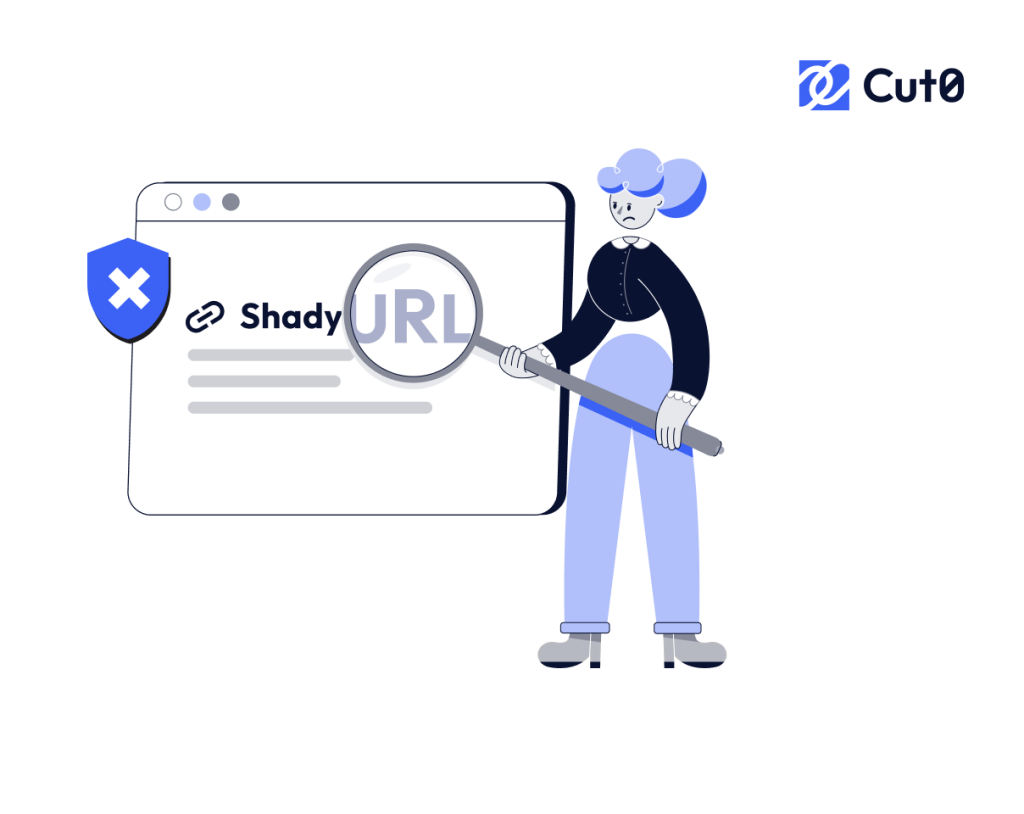
One of the biggest downsides of shortened links is the lack of transparency about their final destination. When users encounter a link like short.link/abc123, they can’t tell if they’re heading to a legitimate site or a malicious one. This is especially dangerous in email newsletters, where phishing attacks often leverage short URLs. To combat this, consider using branded short links (e.g., nyti.ms/45) to boost trust and help users feel more secure about where they’re being directed.
Fear of phishing and malware attacks
Cybercriminals often use shortened links to mask harmful sites. While regular URLs can typically be verified before clicking, this is trickier with short links. As a precaution, platforms like X (formerly Twitter) and Facebook automatically scan shortened links before allowing them to be published.
Service dependency
Shortened links are only functional as long as the shortening service is operational. If the service shuts down or experiences technical issues, all created URLs become useless.
For instance, Google launched its URL shortening service in 2009 and subsequently shut it down in 2019, and eventually all of the links ceased to work. To add insult to injury, users lost their access to analytics.
This can affect anyone, so it’s wise to be cautious when using short URLs for long-term campaigns. Consider pairing them with branded links or keeping backups of key URLs.
Potential negative impact on SEO
Search engines like Google generally frown upon redirects. Relying heavily on shortened links can hurt your SEO for several reasons.
Redirects generally weaken link authority. If the shortening service shuts down, the links become dead, damaging your content’s quality as Google sees that you’re linking to a lot of 404s.
Overall, Google tends to distrust short links because they obscure the destination, making them appear less transparent and potentially shady. So, if you expect some of your short links to become one of the top results for a given query, it probably won’t ever happen. Best case scenario, the proper, long URL will be the one indexed and served in the search engine results page.
Links may have a limited lifespan
Some free link-shortening services delete links after a certain period of inactivity. For example, a link may be automatically deleted if it hasn’t been clicked in six months. But not when using Cut0! Cut0 users can easily add and modify link expiration dates. That way you can rest assured that your links are active even if you don’t revisit them every now and then.
However, link rot is still a huge problem. This study by Ahrefs examined the link profiles of over 2 million domains and found that 66.5% of links to these sites since 2013 are now broken.
Weighing the benefits and risks of URL shorteners
URL shortening is a powerful tool that can make links more user-friendly, manageable, and trackable. However, like any technology, it comes with both advantages and disadvantages.
Short links have a lot of benefits
One of the main benefits is convenience and space-saving; short links look cleaner on social media, in email newsletters, and in offline advertising.
They also lead to increased click-through rates (CTR), as research shows that users are more likely to click on neat, concise URLs.
Additionally, shortened links enable you to analyze where clicks are coming from and identify which campaigns are performing best.
And don’t forget that short URLs simplify QR code usage, as short URLs scan faster, contain fewer pixels, and work better in print.
Main risks and limitations
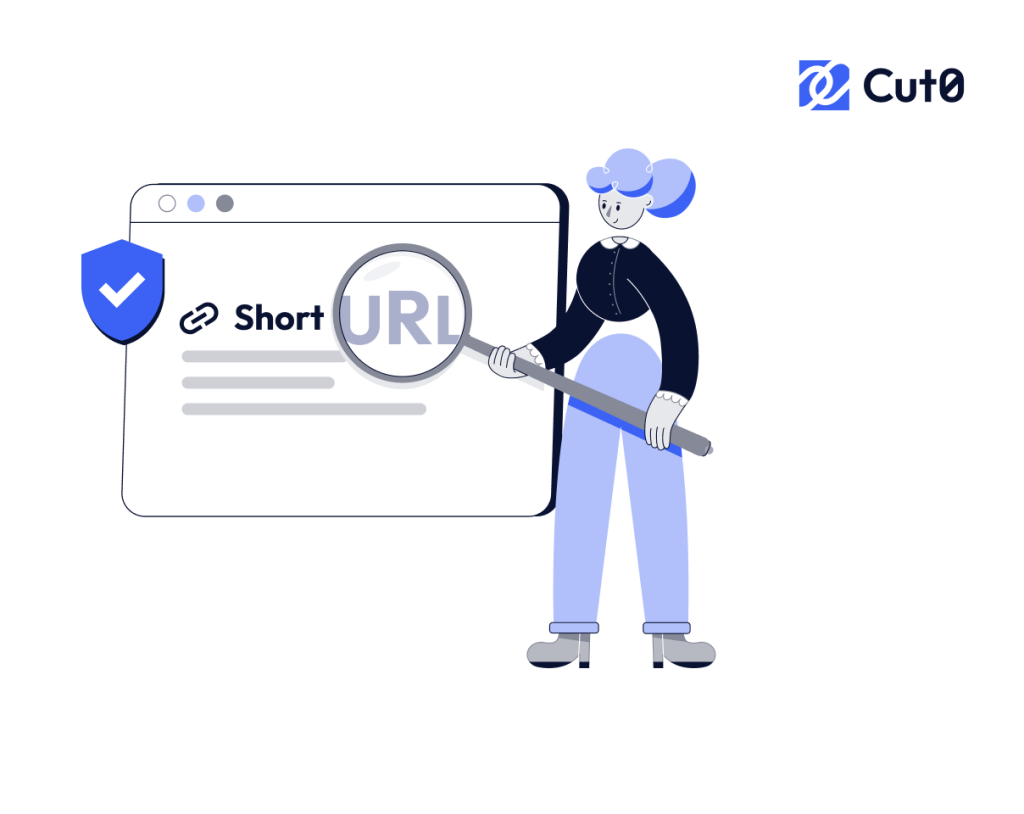
While URL shortening offers many advantages, it also comes with risks and limitations.
User distrust is a significant concern for non-branded links. Anonymous shortened links can appear suspicious, especially when they come from unfamiliar sources. Additionally, there’s a heightened risk of phishing and malware attacks, as attackers often hide malicious sites behind short links.
SEO issues can arise as well. Improperly set up redirects harm your search visibility.
Furthermore, service dependency is a critical factor to consider. If your URL shortening service shuts down, all your created links will stop working.
Lastly, some services automatically delete links if they haven’t been used for a certain period, leading to a limited lifespan for those URLs.
When to use and when not to use URL shorteners?
Consider using shortened links in the following situations.
- When sharing on social media, SMS, email, or offline marketing. Cut0s are ideal for these platforms where space and aesthetics matter.
- If you need analytics and tracking. If you need to monitor link performance, shortened links provide valuable insights.
- To improve QR code usability. Short URLs make QR codes easier to scan and more efficient in print. Using short links also vastly improves QR code tracking.
- When using a branded domain to build trust. Branded short links enhance credibility and user confidence.
However, it’s best to avoid shortening links in certain situations.
- When transparency is critical. If users need to know the exact destination, avoid using shortened links.
- For SEO-sensitive links. If search visibility is a priority, be cautious with redirects. They can heavily impact your search engine rankings.
- When using an unreliable or temporary service. It’s better to stick with reputable providers (such as Cut0) to ensure link longevity and reliability.
Ready to transform your link sharing? Discover the power of Cut0!
With Cut0, you can improve every step of your marketing funnel.
From attracting potential customers with clean, engaging links to nurturing leads with insightful analytics, our platform empowers you to optimize your strategies at every stage.
Monitor link performance, understand user behavior, and refine your campaigns to drive higher engagement resulting in conversions and sales.
So, are you ready to supercharge your marketing strategy with Cut0?